When an employee breaks down at a warehouse, when a visitor at a regional show cuts their hand severely on a tent stake, or when a moms and dad collapses at a neighborhood celebration, the very first minutes set the outcome. That reality is why numerous organisations in Jandakot pick on-site first aid training rather than sending people off to remote class. On-site distribution places skills where they matter most, straightens scenarios with real work hazards, and develops self-confidence across entire teams.
I have run and observed dozens of work environment sessions across Perth residential areas, including a number of in Jandakot. Trainers that bring a package and an understanding of the website can turn abstract abilities right into muscular tissue memory in much fewer hours. Below I describe just how on-site programs are organised, what employers should anticipate, and exactly how to match course material with legal and practical requirements. I consist of pragmatic notes on equipment, accreditation, refresher timing, and event-first-aid logistics.
Why companies bring the instructor to Jandakot
Workplaces in Jandakot array from light commercial yards and aeronautics assistance solutions to tiny offices and event locations. Sending team to a main training company costs travel time, interrupts rosters, and fragments groups; the alternative is to allot a single block of time and bring an instructor to the facilities. On-site training decreases downtime due to the fact that sessions can be arranged around shifts, equipment, and active periods. For occasions, the trainer can run a short, functional CPR and trauma feedback course prior to doors open, customized to the certain crowd dimension and threat profile.
There is another useful advantage: context. When training occurs on the very same floor where equipment sits, learners can exercise securing a casualty in the hallway they really use. That specificity issues for tiny however consequential choices such as which doorway to clear, exactly how to rig an improvised cot from neighboring products, or where to terminal the chosen -responder's kit.
Course types and what they cover
Most suppliers use two core pathways: approved unit-based first aid courses that cause a Statement of Attainment, and useful, non-accredited workplace understanding sessions tailored to particular hazards. Certified courses frequently consist of HLTAID011 Offer First Aid and HLTAID009 Supply cardiopulmonary resuscitation, or incorporated modules under a single certificate. These deliverables fulfill many regulatory and insurance provider expectations for a "first aid certificate Jandakot" employers ask for.
A conventional accredited session covers key study, CPR for grownups and youngsters, choking, severe blood loss control including pressure and tourniquet usage, shock acknowledgment, fundamental fracture administration, and emergency oxygen use when oxygen management becomes part of the office strategy. Some courses add psychological wellness first aid as a separate unit, or a shortmodule on anaphylaxis and adrenaline auto-injector usage. For event-specific requirements, instructors can emphasise group management, warm disease, substance-related occurrences, and communication with paramedics.
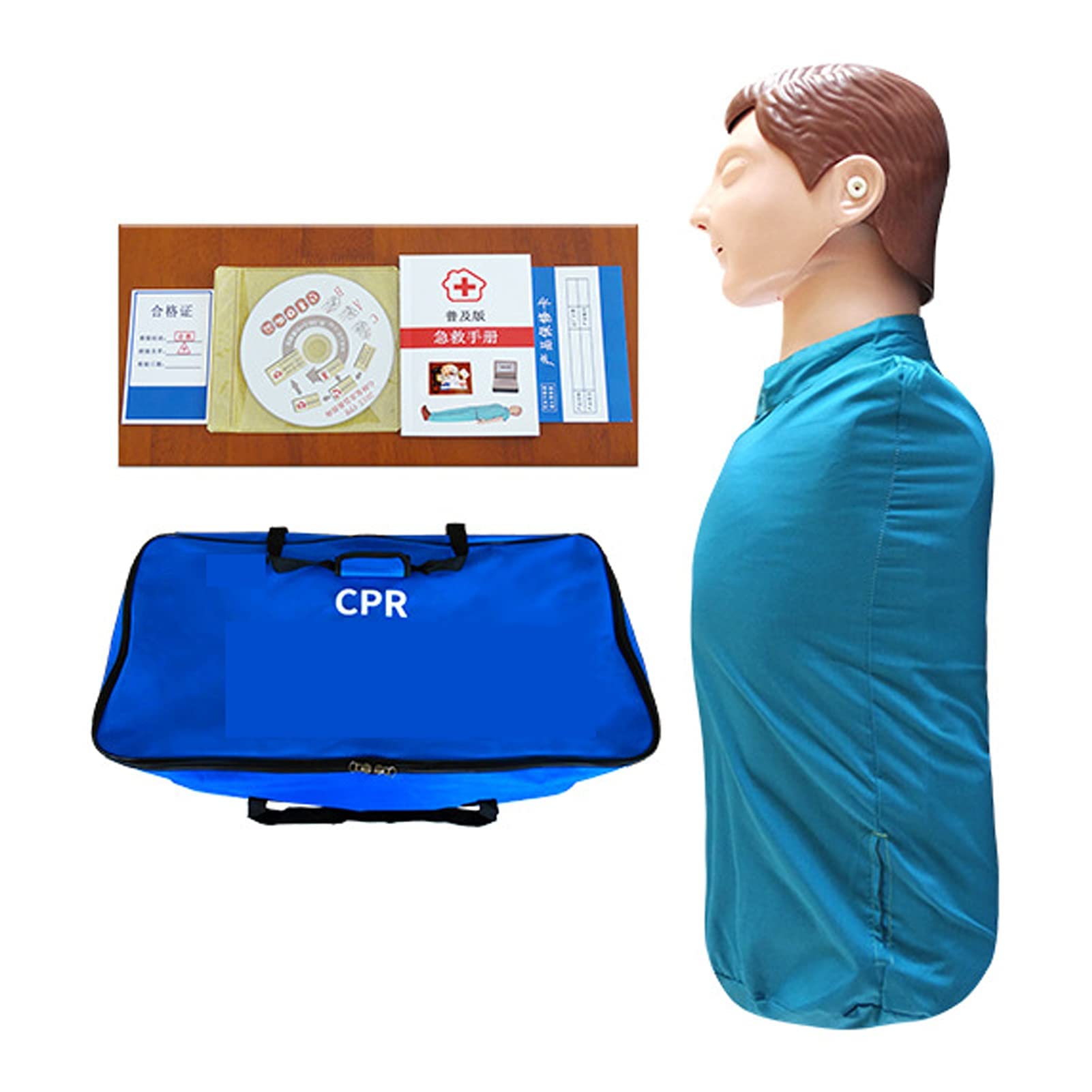
Practical example: a manufacturing website I audited in Jandakot desired a solitary day course for 12 personnel. We ran the approved components in the early morning, with two CPR stations and sufficient mannequins so each student rotated with compressions and air flows consistently. In the mid-day we ran 3 onsite situations: a laceration from sheet metal, a crush-injury resemble using a hefty pallet, and a substitute cardiac arrest behind an equipment. The situations made use of existing first aid spaces, leaves and radios. Afterwards day, nominated first aiders might define specific actions to remove a path for an ambulance and recognize where spare PPE lived.
Who must attend and just how many
Regulations do not constantly prescribe a solitary variety of initial aiders per office; instead, support is risk-based. For common low-to-medium danger offices, one trained very first aider per 20 to 50 workers is a functional variety. For high-risk sites such as storehouses with hefty plant, a bigger proportion is sensible. Occasion organisers ought to scale training by peak crowd numbers and the nature of tasks. A showing off occasion with running races will need even more -responders than a seated neighborhood lecture.
Nominated first aiders must be team that will certainly be present during busiest hours and who can carry out literally demanding tasks if needed. It is wise to include both younger and older staff members, man and female personnel, and people who frequently function outside regular workplace hours. Sufficient redundancy avoids protection gaps when somebody is on leave.
Customisation and danger profiling
A reliable on-site course begins with a brief danger analysis. Instructors who have actually worked below ask for pictures of the website, a copy of the occurrence register for the previous 12 to 24 months, and a review of readily available clinical equipment. That permits them to customize scenarios, provide the proper number of mannequins for CPR practices, and include modules such as anaphylaxis feedback where relevant.
For instance, a Jandakot event with food delays needs robust training on allergic reactions and epinephrine auto-injector protocols. A tiny production backyard must emphasise serious blood loss control, entrapment feedback, and throat or respiratory tract management. On-site shipment allows the instructor integrate the real ambulance accessibility path right into the simulated emergency situation interaction with 000, teaching team specifically what to state and how to direct paramedics in.
Practical logistics: what an employer should prepare
A smooth on-site session calls for a few practical points from the host. Below is a quick checklist to make the day efficient.
An area or protected location large sufficient for sensible terminals, accessibility to power, and clean surface areas for mannequins. A listing of attendees with duties and change times, so the fitness instructor can sequence understanding and include late-shift plans. Copies of recent event records or threat signs up to personalize scenarios. An area map for ambulance access and instructions for where substitute casualties ought to be put during drills. PPE and a number of handwear covers and eyeglasses if the work environment utilizes details safety devices the responder would typically wear.This short list maintains the session sensible and reduces disturbances. If your website does not have a clean space, an occasion gazebo or a removed office will certainly work; the primary need is secure room for stooping and carrying out CPR.
Certification, renewals and legal expectations
An HLTAID011 Statement of Attainment in the Country wide Acknowledged Training structure commonly lasts 3 years for first aid competencies, with CPR refresher courses typically called for every year. Companies ought to ask the instructor which devices are analyzed and which are demonstration-only. For legal conformity, a clear document of attendees, evaluation outcomes, and released certificates belongs in the HR or safety and security filing system.
A common mistake is thinking a single training day for life solves a staffing trouble. Skills decay is actual; simulated compressions without responses will wear down over months. Lots of work environments carry out a brief quarterly sensible drill lasting 20 to thirty minutes. A CPR session on a mannequin with automated comments every 3 months significantly enhances retention compared with yearly training alone.
Costs and trade-offs
On-site training has clear benefits but likewise trade-offs. Typical prices shows traveling time, instructor prep work, equipment provided and the class size. For tiny teams, the per-head price is greater than sending people to group courses at a main place. For medium to big teams, on-site becomes even more cost-effective and reduces lost productivity. If your office has multiple changes, contrast two choices: run an on-site course spanning those shifts, or pay for numerous off-site classes and team travel.
Another compromise includes depth versus comfort. A pressed two to three hour recognition session can obtain every person knowledgeable about standard CPR and AED use, which is exceptional for big occasion volunteer swimming pools. Yet it will certainly not meet certification demands where an officially trained initial aider is called for by guideline or insurance policy. Balance ease and conformity: utilize awareness sessions for wide insurance coverage and certified courses for chosen responders.
Equipment and AEDs
Automated external defibrillators are progressively typical at offices and event sites in Jandakot. Practical training ought to include AED utilize on mannequins so staff become comfortable with pad positioning and adhering to voice motivates under stress and anxiety. Choose regarding AED procurement based upon predicted action times from regional rescue solutions, occasion thickness, and the expense of an AED about risk.
Beyond an AED, a well-stocked work environment set goes beyond plasters. Consider consisting of tourniquets, haemostatic dressings, splints, blankets, and an oxygen cylinder if staff are trained to utilize it. Train -responders to inspect kit expiration days monthly, and to revolve consumables into site first aid materials to prevent wastage. A functional habit I recommend is a straightforward stamp inside the set with the following audit day; it ends up being a visual cue for maintenance.
Examples from Jandakot events
At a weekend break motorsport event near Jandakot, organisers dealt with three concurrent risks: heavy machinery, fuel handling, and big spectator groups. The on-site course consisted of a tailored component on chemical burns and inhalation injury, using the actual place of the marshal posts to show casualty removal and radio handover phrases that the occasion sent out to security and stewards. After training, the occasion designated 2 roving first aiders that brought compact haemorrhage control sets along with the central first aid tent.
For a smaller sized company launch held in Jandakot, a one-day certified first aid and CPR course pleased both the insurer and the business's threat register. The trainer invested half an hour mapping office leaves and parking lot access; that tiny financial investment paid off when the post-course workout recognized that a gateway would certainly need to be opened to speed up ambulance access.
How to choose a trainer in Jandakot
Choose a provider who can show current recognized shipment and who will show a sample lesson plan. Request recommendations from comparable workplaces or events and inspect that the instructor keeps money in their own first aid skills. Practical qualifications to confirm include a current training assessor qualification and updated enrollment with a training organisation. An instructor with neighborhood experience will certainly be familiar with the nearest ambulance terminal and typical ambulance response times for Jandakot, which can inform choices regarding AED placement and responder numbers.
A brief settlement question worth asking is whether the company will deliver a common bundle or will include a totally free pre-course website walk-through. The latter shows a consultative strategy and boosts course relevance.
Refresher training and preserving competence
After the initial course, develop easy systems to maintain abilities active. A quarterly 20-minute practical session is effective and inexpensive. Utilize a mannequin with comments or run a 15-minute blind situation where one employee calls 000 and one more leads compressions; then debrief. Keep documents of these drills as evidence of active threat management for insurers.
Plan formal re-certification ahead of expiry. An excellent practice is to arrange annual CPR refreshers and replace the HLTAID011 every 24 to 36 months relying on organisational plan. Keeping a calendar alert with at the very least three months' notification protects against lapses.

Final considerations for event organisers
Events have one-of-a-kind characteristics. Volunteers revolve, crowd behaviour adjustments with the day, and environmental factors such as warm can produce collections of occurrences. For occasions, consider a blended version: a brief accredited pack for the central outdoor tents team and deeper certified training for roving first aiders and medical leads. If the occasion makes use of paid medical groups, ensure local team still receive fundamental CPR and haemorrhage control training so they can act prior to professionals arrive.
A last pragmatic detail: interact who the first aiders are clearly to participants. Simple signs, a pinned map at each access point, and a public address statement at the start can reduce complication. When personnel recognize who is trained, the very first response is quicker and less chaotic.

If you require a customized quote for on-site first aid training in Jandakot, prepare the number of participants, the type of workplace or event, and a brief occurrence history for the last twelve month. A short discussion with a reputable supplier will create a clear strategy that meets legal requirements and sensible demands, which leaves groups first aid training in jandakot much better prepared when mins matter.